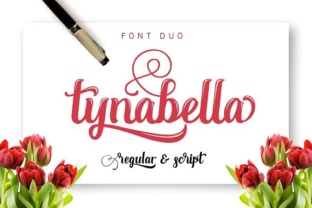
Tynabella: A Modern Calligraphy Font
There’s something magical about the moment you lay your hands on a new font that feels like it was made just for you. For me, that moment came when I first tried Tynabella. It’s a modern calligraphy font that brings a touch of elegance and personality to every project I work on. Whether I’m designing labels for my handmade candles or creating printable wall art for my shop, Tynabella adds that special flair that makes everything feel more thoughtful and intentional.
What sets Tynabella apart is its versatility. The font comes with a range of alternates and swashes, which means I can mix and match different styles to suit each project. On a candle label, a simple swash can make the text feel more organic and handcrafted. On a greeting card, the same font can add a sense of warmth and personalization that really speaks to customers.
Using Tynabella in Real Projects
I often start my design process by sketching out ideas on paper before jumping into digital tools. When I’m working on a seasonal product, like a farmhouse sign for a holiday, I’ll type out the text in Tynabella and play with different layouts. The font’s flowing lines and delicate details make it perfect for signs that need to feel both rustic and refined. I’ve used it for welcome boards at weddings, custom tags for gift boxes, and even as a header for my printable planner pages.
One of my favorite uses for Tynabella is in packaging design. Whether I’m wrapping a handmade soap or creating a custom box for a boutique item, the font helps elevate the overall look. It pairs beautifully with a clean sans serif font for body text, creating a contrast that draws the eye without overwhelming it. This combination works especially well for product tags and labels, where clarity and style are both important.
For digital downloads, Tynabella is a game-changer. I’ve created printable wall art, wedding invitations, and seasonal greeting cards using this font, and the results are always stunning. The font’s readability is impressive, even at smaller sizes, which makes it ideal for stickers, small labels, and printed cards. I’ve also found that it works well with cutting machines like Cricut and Silhouette, as long as I use the right file format and check for any potential issues with ligatures or swashes.
How Tynabella Enhances Creative Work
When I think about how Tynabella affects my work, I see it as more than just a font—it’s a tool that helps shape the identity of my brand. The font’s visual personality is warm and inviting, which aligns perfectly with the handmade products I create. It gives my shop a cohesive look that feels authentic and consistent across all items, from labels to digital templates.
Another benefit of Tynabella is how it enhances emotional appeal. There’s something about handwritten-style fonts that makes people feel connected. Whether it’s a birthday invitation or a custom sign, the font adds a personal touch that makes the product feel more meaningful. This is especially important for handmade sellers who rely on storytelling and customer connection to build their brand.
For those looking to use Tynabella in their own projects, I recommend experimenting with different styles and pairings. If you’re working on a display piece, like a sign or a poster, the font’s decorative elements can add a lot of visual interest. For longer text, like a product description or a printable guide, it’s best to keep things simple and avoid overusing swashes or alternates, which can make the text harder to read.
Practical Tips for Using Tynabella
Before I start a new project, I always check what styles and features are included in the font. Tynabella offers multiple weights and alternate characters, which can be incredibly useful for creating variations in design. I also pay attention to the file formats—whether I need a .OTF, .TTF, or .SVG version depends on how I plan to use the font. For commercial use, like selling physical products or digital downloads, I make sure the licensing allows for that.
When it comes to readability, I’ve found that Tynabella works best for short phrases and titles. It’s not ideal for long paragraphs, but as a display font, it shines in headings, logos, and decorative text. I often pair it with a simpler font for body text, which helps balance the design and improve legibility.
If you're using Tynabella for cutting machines, I suggest testing a small sample first. Some swashes or ligatures might not cut as expected, so it’s good to verify the design before mass production. For printed materials, like business cards or packaging, I recommend using high-quality paper and ensuring the font is properly embedded in the design file.
Overall, Tynabella has become an essential part of my creative toolkit. It brings a level of sophistication and charm that I haven’t found in other fonts. Whether I'm designing for my shop or collaborating on a project with another maker, the font never fails to add that extra touch of creativity and personality.